When someone lands on your wedding board from their phone feed, the first thing they notice is how the text sits on the image. If the letters clash or feel hard to read, that interest fades instantly. A proven setup helps guests and planners understand the theme before reading a single word. You need to know which fonts complement wood textures, burlap backgrounds, and earth tones effectively. This specific strategy ensures your creative effort translates into clicks and saves.
What exactly is a pairing formula in this context?
A pairing formula is simply a rule you follow to match two or more typefaces so they work together visually. It prevents you from guessing and throwing random styles at the screen. In the world of wedding graphics, this usually involves combining a decorative element with a sturdy base. The decorative part grabs attention while the base delivers the details clearly. You might see references to serif and script duo for antique style marketing to help you understand why some layouts feel old-fashioned and others look modern. Without this structure, designs often feel chaotic and unprofessional.
Why do wedding pins specifically need this approach?
Pinterest users scan images rapidly, often while scrolling quickly on mobile devices. Text that is too ornate or too thin disappears when resized. Couples planning their day are looking for clarity about colors, venues, or menu items hidden behind the art. A strong foundation ensures information lands correctly. Many designers struggle with this balance until they apply consistent methods found in guides for curated font matches for romantic rustic graphics. This focus builds trust because the final image feels intentional rather than accidental.
How do I choose the right combination for my brand?
Start by deciding what emotion the wedding evokes. Is it boho-chic, barnyard casual, or formal countryside luxury? For a barn wedding, you might lean towards blocky sans-serifs mixed with handwritten elements. For a formal event, elegant serifs paired with delicate scripts work better. Consider legibility over trendiness. A popular choice among creatives is Playfair Display combined with lighter weights for body text. High contrast between headers and subheaders keeps the eye moving down the pin naturally.
You should also check if the style matches other pins on your profile. Consistency creates recognition across different boards. If you use heavy woodgrain effects in one post but ultra-modern geometric fonts in the next, followers get confused. Stick to a defined set of characters for your entire project timeline. Sometimes searching for Great Vibes can give you ideas for accents that soften the look without cluttering the message.
- Select one main font for titles that reflects the venue or season.
- Pair it with a secondary font that is highly readable for dates and times.
- Ensure sufficient spacing between lines of text.
- Test the design on a small screen before publishing.
What common mistakes ruin the layout?
The most frequent error is using too many decorative styles in one composition. Two scripts next to each other compete for attention and reduce impact. It also makes contact information difficult to locate under stress. Another issue is placing text over busy background photos. Even the best pairing fails if there is no shadow or overlay to separate letter from image. Keep the background muted enough for the words to pop.
Sometimes creators forget about color temperature. Rustic palettes usually involve warm browns, creams, and greens. Pairing these with stark black text can sometimes feel jarring depending on the lighting. Soft grays or deep charcoals might blend better with natural photography. Remember that these visuals serve a purpose beyond decoration; they drive action.
Where can I find tested resources for my next project?
There are many databases available online that organize type according to mood and era. Looking at established collections saves time compared to hunting for files individually. Resources detailing rustic font pairing formulas for wedding pinterest pins provide specific recommendations you can try immediately. Using pre-selected sets reduces the risk of clashing styles.
Next steps for your design workflow
To finalize your process, create a master document containing your chosen styles. Save them in a folder dedicated to this specific client or event so they are easy to access later. Before exporting high-resolution versions, zoom out to 50% size to simulate a thumbnail view. This quick check reveals spacing issues that might look fine up close. Keep testing variations of spacing and weight until the hierarchy feels solid.
- Gather three backup fonts in case your primary choice changes availability.
- Save your project files in both PSD and PNG formats for editing flexibility.
- Create a style guide snippet showing proper capitalization and spacing rules.
- Review mobile previews across different devices before scheduling posts.
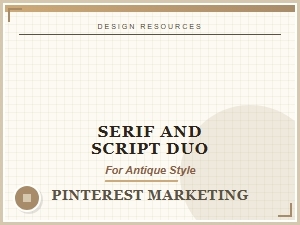 Serif and Script Fonts for Rustic Vintage Charm
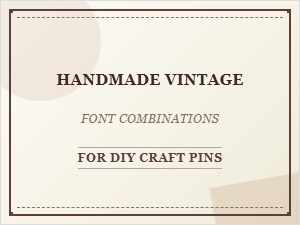 Crafting with Rustic Vintage Font Pairings for Diy Pins
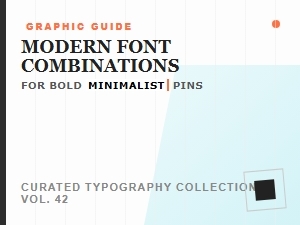 Modern Font Pairings for Minimalist Pin Designs
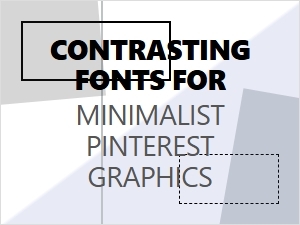 Craft Bold Minimalist Graphics with Font Contrast
 Bold Minimalist Pin Typography Style Guide
 Font Hierarchy in Minimalist Pin Layouts