When you’re designing Pinterest pins for your blog, the fonts you choose send a silent message before anyone even reads your headline. Mixing modern and classic typography isn’t just about looking pretty it shapes how your audience perceives your content’s tone, credibility, and style. A sleek sans-serif paired with a refined serif can make your pin feel both fresh and trustworthy, which matters because Pinterest is a visual search engine where first impressions drive clicks.
What does “modern vs classic blog Pinterest pin typography combos” actually mean?
“Modern” fonts are typically clean, geometric, and minimalist think Montserrat or Poppins. They feel current, approachable, and digital-native. “Classic” fonts lean traditional serif styles like Playfair Display or timeless scripts that echo print-era elegance. Combining them creates contrast: one grabs attention, the other adds depth or authority.
This combo works especially well for lifestyle, fashion, food, or professional blogs where you want to balance trendiness with reliability. For example, using a bold modern font for your headline (“5-Minute Vegan Dinners”) and a graceful serif for your subheading (“Simple, seasonal, satisfying”) tells viewers your content is both practical and thoughtful.
When should you use a modern-classic font pairing on Pinterest?
Use this approach when your blog sits between contemporary advice and timeless values. A wellness coach sharing evidence-based tips might pair a crisp sans-serif title with a delicate serif subtitle to signal both clarity and care. Similarly, if you’re creating seasonal content like winter-themed recipe pins you’ll find that mixing a warm classic script with a structured modern body font adds coziness without looking dated. We’ve seen this work well in our winter pin font guide, where readability meets mood.
Common mistakes that weaken your typography combo
- Using two fonts that compete visually. If both are highly decorative or both ultra-bold, they cancel each other out instead of complementing.
- Poor hierarchy. Your headline should dominate. If your classic font is larger or bolder than your modern one, it can confuse the eye.
- Ignoring legibility on mobile. Pinterest is mostly browsed on phones. Thin serifs or overly stylized scripts often disappear at small sizes.
- Overusing script fonts. One elegant script is enough. Adding a second decorative element (like a flourish or shadow) usually clutters the design.
How to pick a strong modern-classic pairing
Start by choosing your primary message font first usually the modern one for headlines. It should be highly legible even at thumbnail size. Then select a classic font that contrasts in structure but matches in mood. For instance:
- Modern: Montserrat Bold + Classic: Playfair Display Italic → clean energy meets editorial polish
- Modern: Poppins SemiBold + Classic: Cormorant Garamond → friendly yet refined
- Modern: Inter + Classic: Great Vibes → minimal backdrop for a touch of handwritten charm
Avoid pairing fonts from the same era or family they won’t create enough tension to feel intentional. And always test your combo at actual Pinterest pin dimensions (1000x1500px). What looks balanced on desktop may collapse on a phone screen.
Where to find reliable font pairings for blog branding
If you’re unsure where to start, look at proven examples rather than guessing. Our breakdown of professional blog font pairings shows real pin mockups with readable, on-brand combos that convert. These aren’t just pretty they’re tested for engagement across niches like business coaching, home decor, and personal development.
Next steps: Build your own combo in 3 moves
- Pick one modern font for headlines prioritize clarity over personality.
- Add one classic font only for subtitles, quotes, or accents never for full paragraphs.
- Check contrast and spacing. Increase letter-spacing slightly on modern fonts; reduce line height on classic ones to avoid looking sparse.
Once you’ve settled on a pairing, stick with it across all your pins for at least a season. Consistency builds recognition, and Pinterest rewards cohesive visual branding. If you’d like to see how this plays out in practice, explore our detailed comparison of modern vs classic typography combos complete with downloadable templates and font files.
Explore Design Professional Blog Font Pairings for Pinterest Aesthetics
 Font Duos for Blogger Branding
 Powerful Pin Pairings for Travel Bloggers
 Rustic Font Formulas for Pinterest Wedding Pins
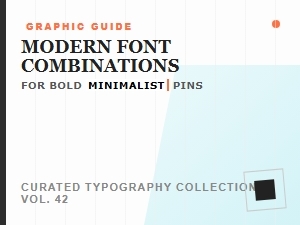 Modern Font Pairings for Minimalist Pin Designs
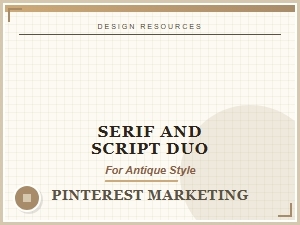 Serif and Script Fonts for Rustic Vintage Charm